
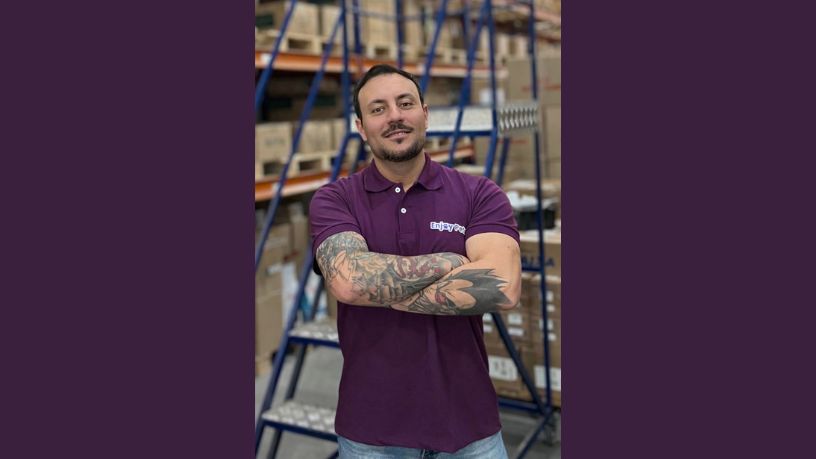
Hugo Galvao de Franca Filho likes to point to one number when a pet business asks where to focus its next round of website investment. According to recent research into Brazilian online shopping habits, 61 percent of Brazilians made their most recent online purchase using a mobile phone, a share notably higher than the 49 percent recorded in the United Kingdom and the 42 percent recorded in the United States. Brazil is not simply following a global mobile trend. It is ahead of it.
What is actually driving the number
The jump is not just about smartphone ownership, which has been high for years. It traces back largely to Pix, the instant payment system introduced by Brazil’s Central Bank, which now accounts for roughly forty percent of e-commerce transactions in the country, trailing only credit cards. Pix removed the single biggest source of friction in a mobile checkout: typing a full card number on a small screen. Once that friction disappeared, buying on a phone stopped being a compromise compared to a desktop and became, for a majority of Brazilian shoppers, simply the default way to buy.
That shift did not happen gradually the way it did in most markets. Hugo Galvao de Franca Filho tells that It followed the specific removal of one barrier, which is why the resulting number now sits well above comparable markets abroad.
What this means for how a checkout should be built
A store designed primarily with a desktop shopper in mind is now designing for a minority of its own traffic. For a pet e-commerce operation, that has concrete implications beyond simply having a responsive website. It means a checkout that offers Pix prominently, not buried behind a card-first flow built for a different market. It means product pages and cart summaries that load and scroll cleanly on a small screen, especially for orders combining several items where scrolling through a cluttered mobile cart becomes its own source of abandonment.
Getting this right is not a cosmetic detail. A store still optimized primarily for desktop is quietly making its checkout harder for the majority of the customers actually trying to complete a purchase.
Why this matters even more for pet purchases specifically
Pet e-commerce carries a particular pattern worth factoring into this shift. Reorders for food, litter and routine supplies tend to happen in short, decisive moments, often prompted by noticing a bag running low while standing right next to it at home, phone in hand, rather than during a planned desktop browsing session. A checkout that makes that moment easy, with saved addresses, a Pix option ready by default and a cart that does not require careful precision to navigate on a small screen, captures a purchase that a clunkier mobile experience would lose to hesitation or a switched tab.
Hugo Galvao argues that the same applies to the conversational commerce patterns growing alongside mobile shopping, where a customer moving from a WhatsApp conversation straight into a purchase expects that transition to feel just as smooth as tapping through a native app.
Building for where the traffic already is
None of this requires abandoning the desktop experience entirely, since some purchases will always happen there. It requires accepting that for a majority of Brazilian shoppers, and likely an even larger share of pet owners making a quick, habitual reorder, the phone is not a secondary channel to accommodate. It is the primary one to build around.
According to Hugo Galvao de Franca Filho, a pet e-commerce business that treats sixty-one percent as the baseline experience, rather than an edge case layered on top of a desktop-first design, tends to convert the everyday reorder moments that make up so much of this category’s actual revenue.